
How often should you mow your lawn in Christchurch?
Canterbury grass grows in bursts and sulks in dry spells. Match your mowing to the season and the lawn does half the work itself.
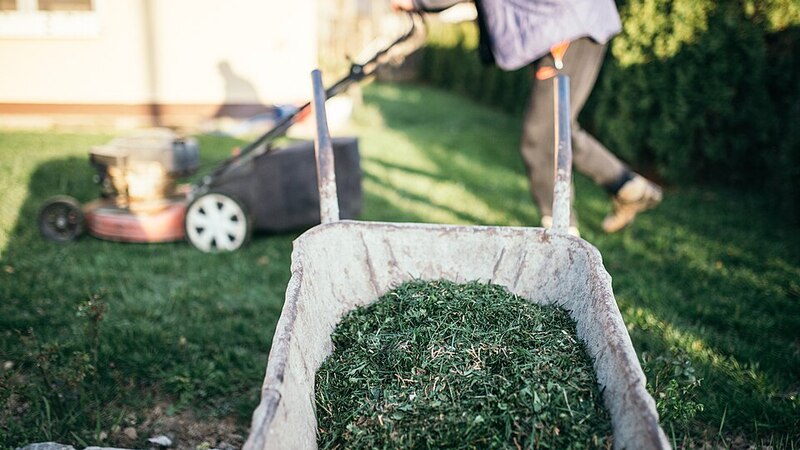
Ask three neighbours how often they mow and you will get four answers. The honest truth is that there is no single number — Christchurch lawns grow at wildly different speeds through the year, and mowing on a fixed calendar date regardless of conditions is how lawns get scalped in summer and turn to thatch in spring. What matters is reading the grass and cutting little and often while it is actively growing.
The golden rule: never remove more than a third
The one rule that governs everything else is simple — never cut off more than a third of the grass blade in a single mow. Grass builds its food reserves in its leaves, so removing most of the leaf in one go starves the plant just when it needs energy to recover. A lawn that is mowed frequently at a sensible height grows sideways, thickening into the dense sward that crowds out weeds. A lawn that is mowed rarely and severely grows upwards in panic, thins out, and invites every weed in the neighbourhood into the gaps.
In practice this means mowing frequency follows growth rate. When the lawn is surging, you mow more. When it stalls, you back off. The sections below map that to a typical Christchurch year, but treat them as starting points and adjust to what you see.
Spring: the surge (weekly, sometimes more)
From September through November, warming soil and spring rain send Canterbury lawns into their fastest growth of the year. Weekly mowing is the baseline, and in a warm, wet October some lawns genuinely need cutting every five or six days to stay within the one-third rule. This is also the season to set your mower a notch higher than you think — slightly longer grass in spring shades the soil, holds moisture and outcompetes germinating weeds.
Spring is the best time to define your edges properly too. A crisp edge cut once now, then maintained with quick trims, frames the lawn all season. And if the lawn comes out of winter patchy or mossy, spring growth covers a multitude of sins provided the mowing is regular.
Summer: read the weather (fortnightly, or pause)
Christchurch summers are the great leveller. With nor'westers drying everything out and water restrictions sometimes in play, many lawns simply stop growing from January. Mowing a dormant, brown lawn achieves nothing except stressing it further — if the grass is not growing, leave the mower in the shed and let it rest. Raise the cutting height for any mow you do attempt, because longer leaves shade the crowns and buy the lawn time between waterings.
If you irrigate, or in a damp summer when growth continues, keep mowing fortnightly at the higher setting. The goal in summer is survival with dignity, not a bowling green. Lawns that are rested rather than scalped bounce back fast with autumn rain.
Autumn: recovery time (weekly to fortnightly)
Autumn rain wakes the lawn up, and March through May is the second-best growing window of the year. Mow weekly while growth is strong, easing to fortnightly as temperatures drop. Keep clearing fallen leaves — a thick mat of leaves smothers grass in days, and a quick mow with a catcher picks up light leaf fall while cutting the grass at the same time. Two jobs, one pass.
Winter: mostly rest (monthly at most)
From June to August a Christchurch lawn barely grows. Mow only when it clearly needs it, on a dry day when the ground is firm, and keep off the grass when frost is on it or the soil is sodden — footprints and mower wheels compact wet winter soil and the damage shows all spring. One tidy mow late in August sets the lawn up nicely for the spring surge.
Signs you are mowing wrong
A few symptoms are worth knowing. Brown tips a day after mowing usually means blunt blades tearing rather than cutting — sharpen or replace the blade. A lawn that looks thin despite regular mowing is often being cut too short; raise the height and watch it thicken. Clumps of long clippings smothering the lawn mean you waited too long between cuts; mow more often rather than lower. And if weeds are winning, the answer is rarely weedkiller first — it is usually a denser lawn through correct mowing that fixes it.
When to hand it over
Plenty of homeowners manage their own mowing happily and just need the rhythm above. But if the section is large, the access is steep, weekends are precious, or the lawn has got away from you entirely, regular professional lawn care is money well spent. A gardener with sharp commercial gear, edging tools and a routine that follows the season will keep the lawn right all year — and fold in garden maintenance, pruning or a seasonal garden clean-up while at it. Call +64 22 264 7452 to talk through what your lawn needs.
Want the lawn handled for you?
Call to arrange regular lawn care tuned to the Canterbury season.
Call +64 22 264 7452